Chocolate Caramel Pecan Cake

Perfect for Valentine celebrations, this rich, moist, single-layer torte prepared with semisweet chocolate, ground pecans, and a generous amount of butter, is irresistible. The soft texture of the cake, the creaminess of the caramel, and the crunch of the nuts and chips combine to form a celestial trinity. This recipe serves eight easily so you can make it for a crowd, or offer it to a single special person and have some delicious leftovers.
Continue reading →

Cooking Up a Storm During the Storm

“Baby It’s Cold Outside!” Those famous song lyrics barely describe what it’s been like in  New England this week. Between temperatures plunging to single digits, and unending snow, we’ve been stuck in the house for long stretches. There’s 3 feet of the white stuff on the ground and more piled atop our roof. Then there are the giant icicles hanging from all the gutters that frame our house.
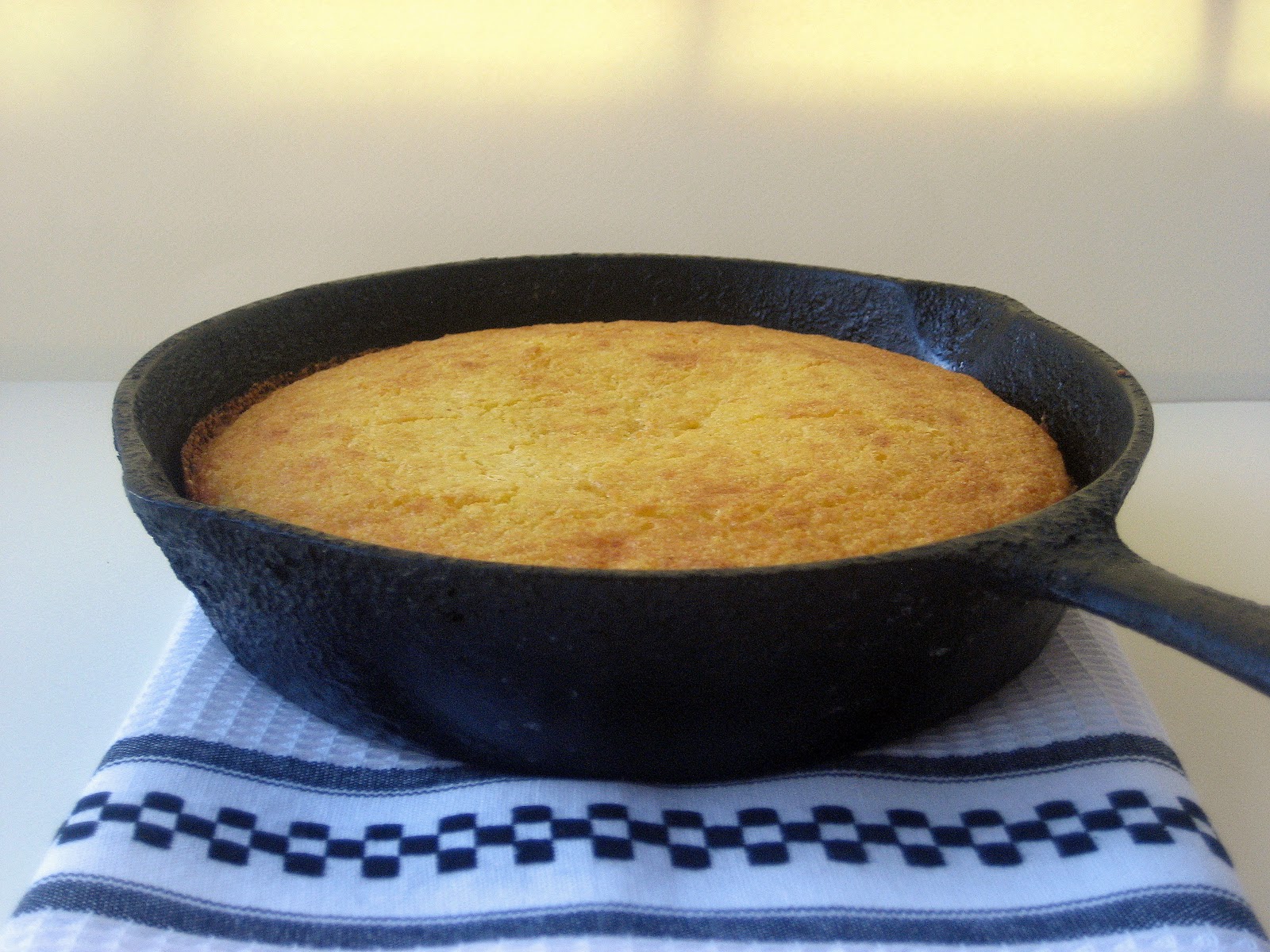
Since we couldn’t go out I decided to spend my time in the kitchen. I’ve made 6 pounds of chili (that was for a cooking class that had to be postponed), baked a white and dark chocolate cheesecake (a recipe testing for an upcoming Valentine course), prepared several batches of dark caramel sauce, and also turned out loaves of cheese-scented cornbread. Oh, and did I mention that I made a big skillet of red beans and rice another day. We might be cold, but we are certainly not hungry. 
Now I hear more snow is predicted in a few days so I’m planning to shop, stock up, and start cooking again.
 Cheddar Cornbread
You can use a sharp cheddar or a Monterey Pepper Jack cheese in this recipe. The former will add a mild cheese flavor while the latter will add a touch of heat. This cornbread is great with chili or vegetable soups.
4 teaspoons vegetable oil
2 large eggs
3/4 cup buttermilk
3/4 teaspoon baking powder
1/2 teaspoon salt
1/4 teaspoon baking soda
1 cup yellow cornmeal
1 cup (about 3 ounces) grated white cheddar or Pepper Jack cheese   
           
Arrange an oven rack at center position and preheat the oven to 450 degrees F.
Place oil in an 8-inch cast iron skillet set over high heat. Heat until oil is hot, 2 to 3 minutes. Watch carefully.
Whisk eggs and buttermilk together in a large mixing bowl. Whisk in baking powder, salt, baking soda, cornmeal, and cheese.  Pour oil into batter and mix well. Pour the batter into the skillet and place in the oven.
 Bake until a tester inserted into the center comes out clean, 15 to 20 minutes.  Remove and turn out bread onto a rack to cool for a few minutes. (Cornbread can be prepared a day ahead; wrap tightly and let stand at cool room temperature. Reheat in the microwave for several seconds.) Makes one 8-inch loaf.

Oh What a Cake!

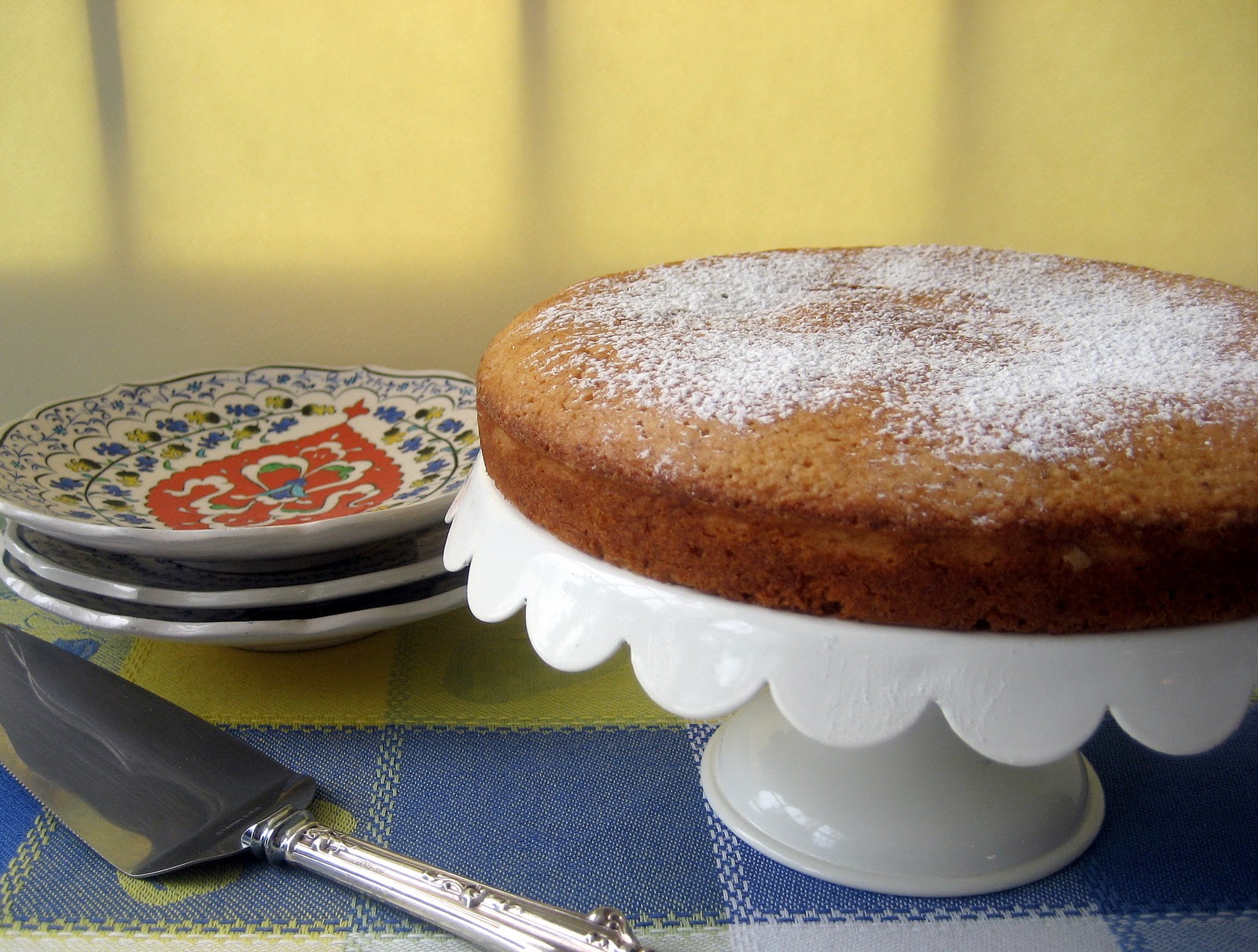
Our friend Tina moved to Paris in the 1990s to pursue her journalism career, married a handsome Frenchman a few years later, and now has two adorable children. Along the way, she became a first-rate cook. At a recent dinner, she offered guests a first course of thick slices of the family foie gras (prepared annually by her French mother-in-law) accompanied by pear chutney and baguette slices. Next, the hostess arrived at the table with sautéed duck breasts napped in a rich red wine sauce, surrounded by tender haricots verts and golden potatoes. Salad and cheeses followed, but dessert was the evening’s pièce de résistance.
The talented cook served a financier cake. The French adore financiers, those mouthwatering little cakes made with brown butter, sugar, flour, and almonds. These confections are said to have originated in Paris’ financial district, and take their name from the brokers (financiers) who bought them. Tina’s version of this classic was distinctive because it was baked in a single pan rather than in small traditional molds. As everyone swooned over the warm buttery gâteau, she explained that the dessert was so easy to assemble that her 3-year old had helped mix the batter.
When I asked for the recipe, I learned that Tina had gotten it from another American expat in Paris, who had in turn learned how to prepare this confection from a French friend. Tina, having become a true French cook, couldn’t share the recipe without offering some variations. Use the cake as a base, she suggested, and add lemon, chocolate, or green tea (an ingredient the French employ imaginatively) for new flavors. For now, I plan to stick with the delicious Parisian original!
Tina’s Financier Cake
10 tablespoons (1 stick plus 2 tablespoons) unsalted butter at room temperature
            plus extra for the pan (See note.)
1 cup sliced or slivered almonds
1 cup sugar
2/3 cup flour
1/4 teaspoon fleur de sel or regular salt
4 large egg whites at room temperature, lightly beaten
11/4 teaspoons vanilla
Confectioner’s sugar, optional
Arrange a rack at center position and preheat the oven to 450 degrees F.  Butter and flour an 8-inch cake pan. Line the bottom with a piece of parchment cut to fit the pan.  Butter and flour the paper.
Place the butter in a small, heavy saucepan set over medium heat. Whisk often until butter has melted and comes to a boil.  Cook at a gentle boil until butter turns a rich nutty brown, about 4 minutes. Watch carefully as the butter can go from brown to dark quickly. Remove from the heat and set aside.
Process the almonds in a food processor, pulsing the machine, until they are finely ground. Transfer to a large mixing bowl and add the sugar, flour, and fleur de sel. Whisk to combine. Whisk in the egg whites and the vanilla. Gradually whisk in the butter until well incorporated. Pour the batter into the prepared pan.
Bake the cake until golden, and a tester comes out clean when inserted into the center, about 20 minutes. Remove from the oven, cool 5 minutes, and then unmold. Serve, either warm or at room temperature. Dust lightly with confectioner’s sugar if desired.  Serves 6.
Note: In Tina’s recipe the butter is softened to room temperature and simply whisked into the dry ingredients along with the egg whites and vanilla. However, the butter for financiers is typically melted and cooked until it becomes golden brown or what the French call beurre noisette. I followed this classic technique as it deepens the flavor of the cake.

Oh What A Cake!

Our friend Tina moved to Paris in the 1990s to pursue her journalism career, married a handsome Frenchman a few years later, and now has two adorable children. Along the way, she became a first-rate cook. At a recent dinner, she offered guests a first course of thick slices of the family foie gras (prepared annually by her French mother-in-law) accompanied by pear chutney and baguette slices. Next, the hostess arrived at the table with sautéed duck breasts napped in a rich red wine sauce, surrounded by tender haricots verts and golden potatoes. Salad and cheeses followed, but dessert was the evening’s pièce de résistance.

The talented cook served a financier cake. The French adore financiers, those mouthwatering little cakes made with brown butter, sugar, flour, and almonds. These confections are said to have originated in Paris’ financial district, and take their name from the brokers (financiers) who bought them. Tina’s version of this classic was distinctive because it was baked in a single pan rather than in small traditional molds. As everyone swooned over the warm buttery gâteau, she explained that the dessert was so easy to assemble that her 3-year old had helped mix the batter.
When I asked for the recipe, I learned that Tina had gotten it from another American expat in Paris, who had in turn learned how to prepare this confection from a French friend. Tina, having become a true French cook, couldn’t share the recipe without offering some variations. Use the cake as a base, she suggested, and add lemon, chocolate, or green tea (an ingredient the French employ imaginatively) for new flavors. For now, I plan to stick with the delicious Parisian original!
Tina’s Financier Cake
10 tablespoons (1 stick plus 2 tablespoons) unsalted butter at room temperature
            plus extra for the pan (See note.)
1 cup sliced or slivered almonds
1 cup sugar
2/3 cup flour
1/4 teaspoon fleur de sel or regular salt
4 large egg whites at room temperature, lightly beaten

1 1/4 teaspoons vanilla
Confectioner’s sugar, optional
Arrange a rack at center position and preheat the oven to 450 degrees F.  Butter and flour an 8-inch cake pan. Line the bottom with a piece of parchment cut to fit the pan.  Butter and flour the paper.
Place the butter in a small, heavy saucepan set over medium heat. Whisk often until butter has melted and comes to a boil.  Cook at a gentle boil until butter turns a rich nutty brown, about 4 minutes. Watch carefully as the butter can go from brown to dark quickly. Remove from the heat and set aside.
Process the almonds in a food processor, pulsing the machine, until they are finely ground. Transfer to a large mixing bowl and add the sugar, flour, and fleur de sel. Whisk to combine. Whisk in the egg whites and the vanilla. Gradually whisk in the butter until well incorporated. Pour the batter into the prepared pan.
Bake the cake until golden, and a tester comes out clean when inserted into the center, about 20 minutes. Remove from the oven, cool 5 minutes, and then unmold. Serve, either warm or at room temperature. Dust lightly with confectioner’s sugar if desired.  Serves 6.
Note: In Tina’s recipe the butter is softened to room temperature and simply whisked into the dry ingredients along with the egg whites and vanilla. However, the butter for financiers is typically melted and cooked until it becomes golden brown or what the French call beurre noisette. I followed this classic technique as it deepens the flavor of the cake.

Le Marché Biologique, Paris

Le Marché Biologique Boulevard Raspail between rue du Cherche Midi and rue de Rennes Paris 6th

Paris has countless food markets, some small and others big and sprawling. One of the most popular in the capital, Le Marche Biologique (that translates as “the organic market) on the Left Bank in the 6th arrondissment, specializes in organic goods. Teeming with food merchants and shoppers, this marché makes for a lively scene from about 8 AM until noon on Sundays. Countless stalls boast local fruits and vegetables, others have huge displays of France’s incredible cheeses, and in addition there are butchers, fishmongers, oyster-shuckers, honey-producers, wine-sellers, soap-makers, and even clothes vendors. Continue reading →

Dining in Paris Is Not Always Paradise

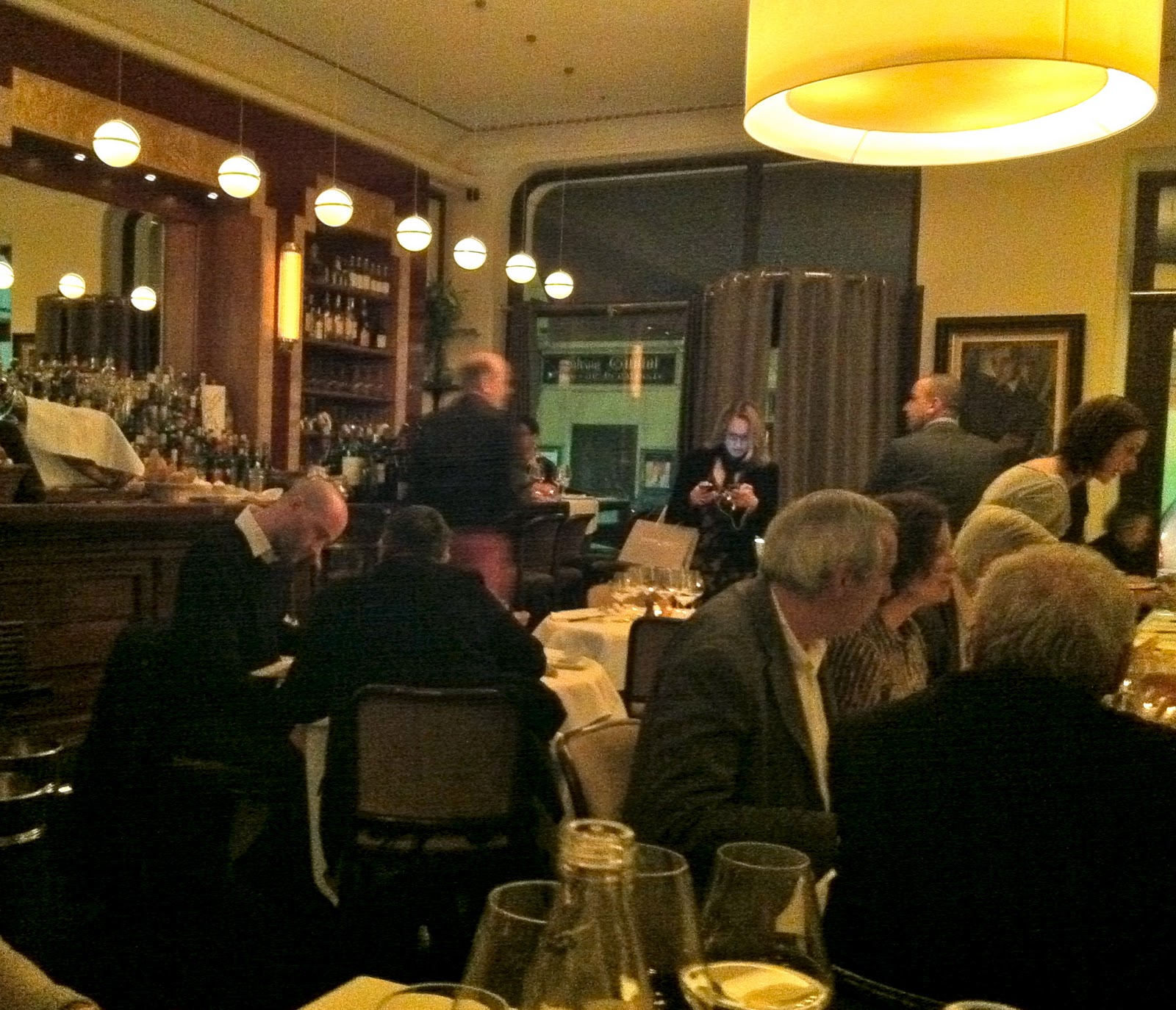
Although recommended by both critics and Parisian friends, Bistro Volnay, a restaurant near l’Opéra, was a disappointment. The ambience was certainly chic. Tables were covered with crisp, starched white linens, an attractive banquette ran down the length of one wall, and lighting was subdued and seductive. 
The first indication that the evening might be challenging occurred when our waitress insisted on using English when the four diners at our table all spoke French. Next, an amuse bouche, a little terrine of cooked pork, or rillettes, with toasted baguette slices was set in front of us. The former was tasty, but the croutons were not crisp and had been held too long.
When the first courses arrived, three turned out to be barely warm. My spouse’s foie gras was perfect, but bowls of silky smooth Jerusalem artichoke soup ladled over mounds of spinach, and my poached egg served over a rabbit ragoût were all tepid. This sad trend continued with the main courses when a beautiful slice of cod arranged over a pastry tart had to be returned to the kitchen for reheating.
What happened next was a first for me in Paris dining. We noticed diners around us enjoying interesting dishes that we hadn’t seen on the menu.  When we asked one of the servers where they were listed, we were told that they were specials of the day. Apparently our waitress had “forgotten” to mention them!
Dessert ended on a better note. My tarte tatin, a combo of rich amber-hued caramelized apples resting upon a deep golden puff pastry crust, was excellent. Riz au lait (creamy rice pudding) and a Mont Blanc, a dessert prepared with crispy meringue, chestnut puree, and whipped cream, were tempting enough to help assuage some of our earlier frustrations.
Bistro Volnay
8, rue Volnay
Paris 2
www.bistrovolnay.fr

Spicing Things Up in Paris

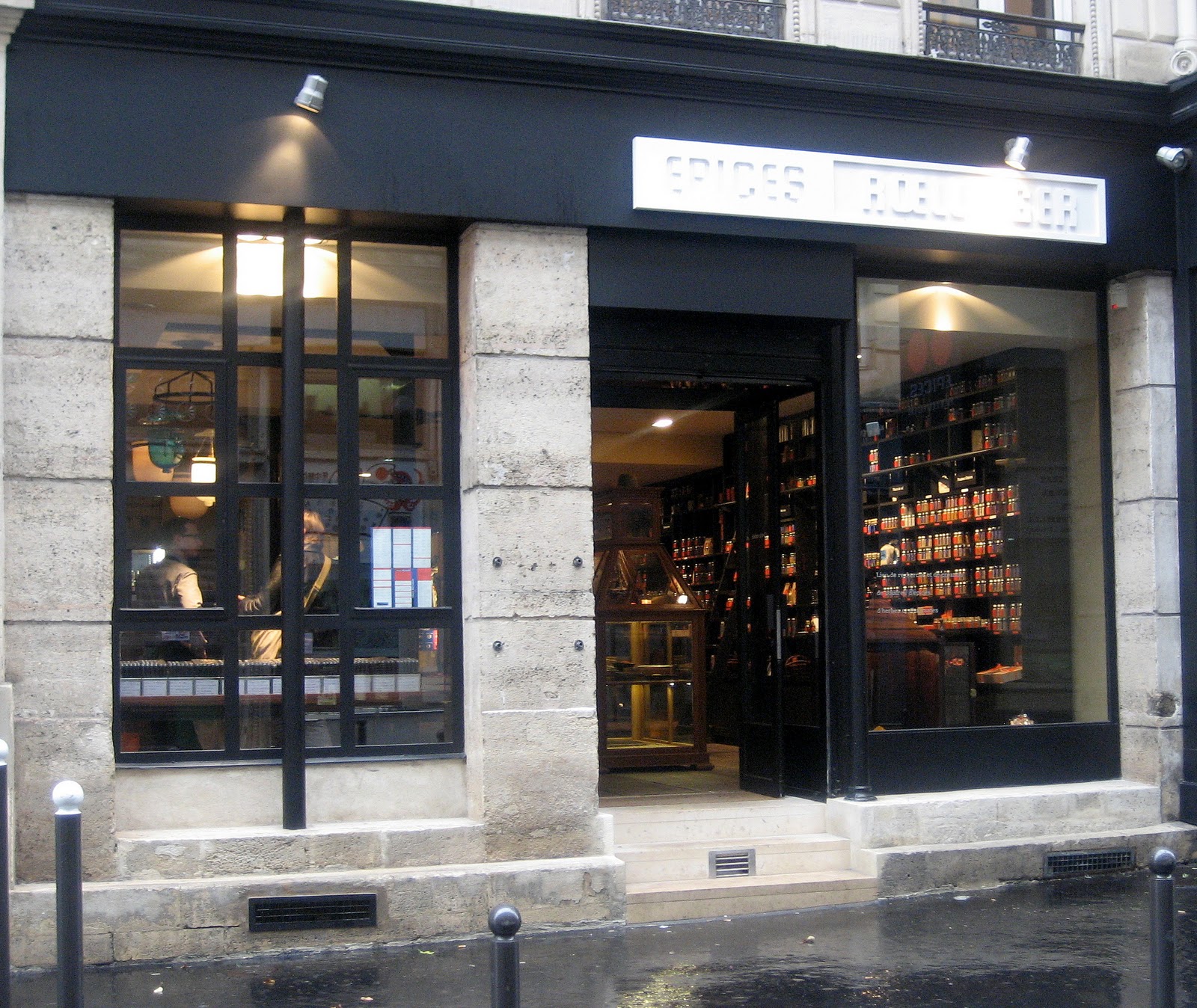
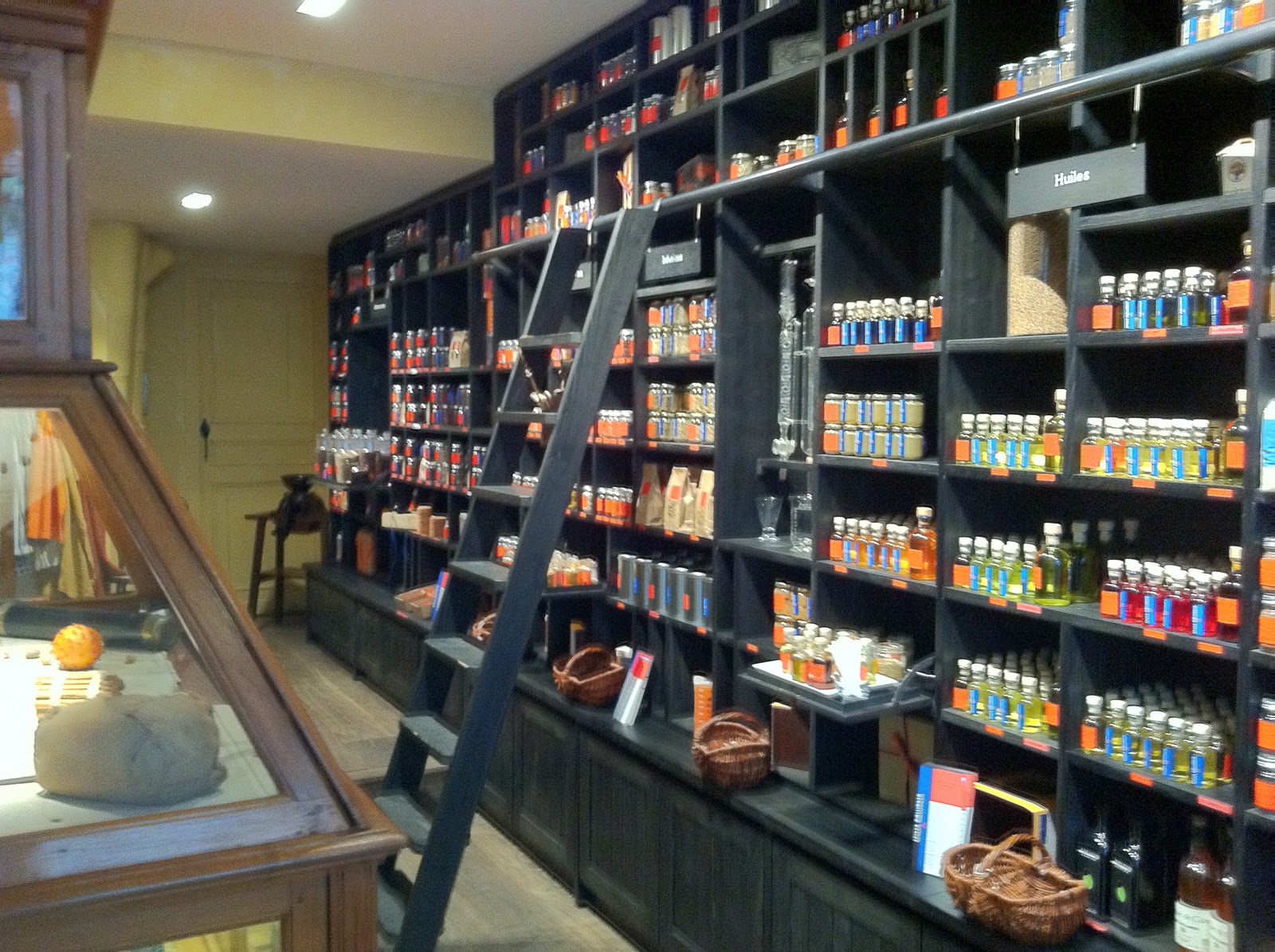
Paris is a city of delicious discoveries. At a dinner with friends, someone mentioned that they had been to a new shop called Epices Roellinger, on a narrow street near the Place de l’Opéra. The next day my husband and I found our way to the small boutique, chock full of colorful bottles and containers of aromatic spices. The owner, Olivier Roellinger, travels the globe in search of the best examples. He then concocts his own blends,  packages them, and adds labels that explain the mixture, with suggestions for food pairings. In addition, there’s an incredible selection of more than 20 types of vanilla beans and a case devoted to peppercorns, some quite rare.
Sandrine, the warm and welcoming manager of the Paris store (other boutiques are in Cancale and Saint Malo), is knowledgeable and helpful with selections. I came back to the apartment with beautiful Mexican vanilla beans that had an enticing, slightly smoky bouquet, some Poivre des Mondes (a global peppercorn mix), two blends from India, Retour des Indes and Poudre Grande Caravane (both robust seasonings), and some Vinaigre Celtic Épicé (a small bottle of spiced apple cider vinegar). The spice blends run around eight euros each; the vinegar and my Mexican vanilla beans are in the same price range.
The pepper made an omelet extra special. The Grande Caravane added superb flavor to a winter squash soup, and a few drops of the cider provided a fine accent to a slice of mild Comté cheese.
The store has a website in French, which you can also view in English by pushing the tab for “English” on the lower bar of the home page. Sandrine did mention that they can send parcels Fed Ex.” 
Épices-Roellinger
51, rue Sainte-Anne
Paris 75002
www.epices-roellinger.com

Shopping in Paris

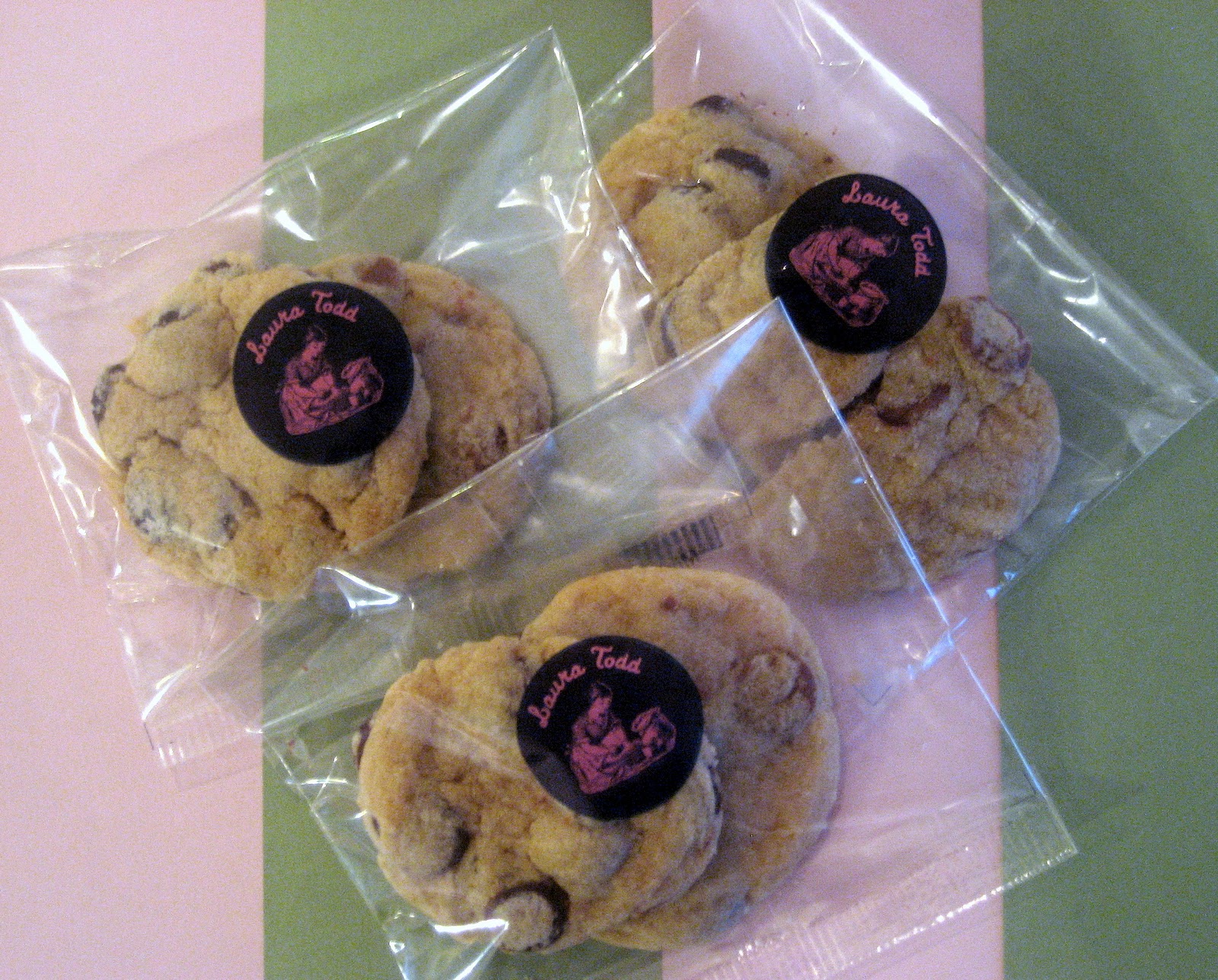
Two of my favorite pastimes—shopping and eating—merged perfectly today. I rose early and took off for Bon Marché Department Store, Paris’s famous Left Bank emporium, for the first day of the semi-annual sales. There, at every entrance of this 19th century retail colossus, were men and women in black suits, holding big baskets filled with packets of chocolate chip cookies. As customers arrived, the welcomers smiled and handed each a package with two chocolate chippers inside. This imaginative custom is extended to early-bird shoppers, and I didn’t want to miss it. What a Parisian way to open the winter sales season!

This year the store extended its gustatory generosity to its upper floors as well. By the time I had made all my rounds, I had collected three gifts, totaling six delicious cookies, enough to keep me nourished as I shopped. I left the store with four cookies, two fabulous tops, and a pair of charcoal wool pants!

Hot Chocolate French Style

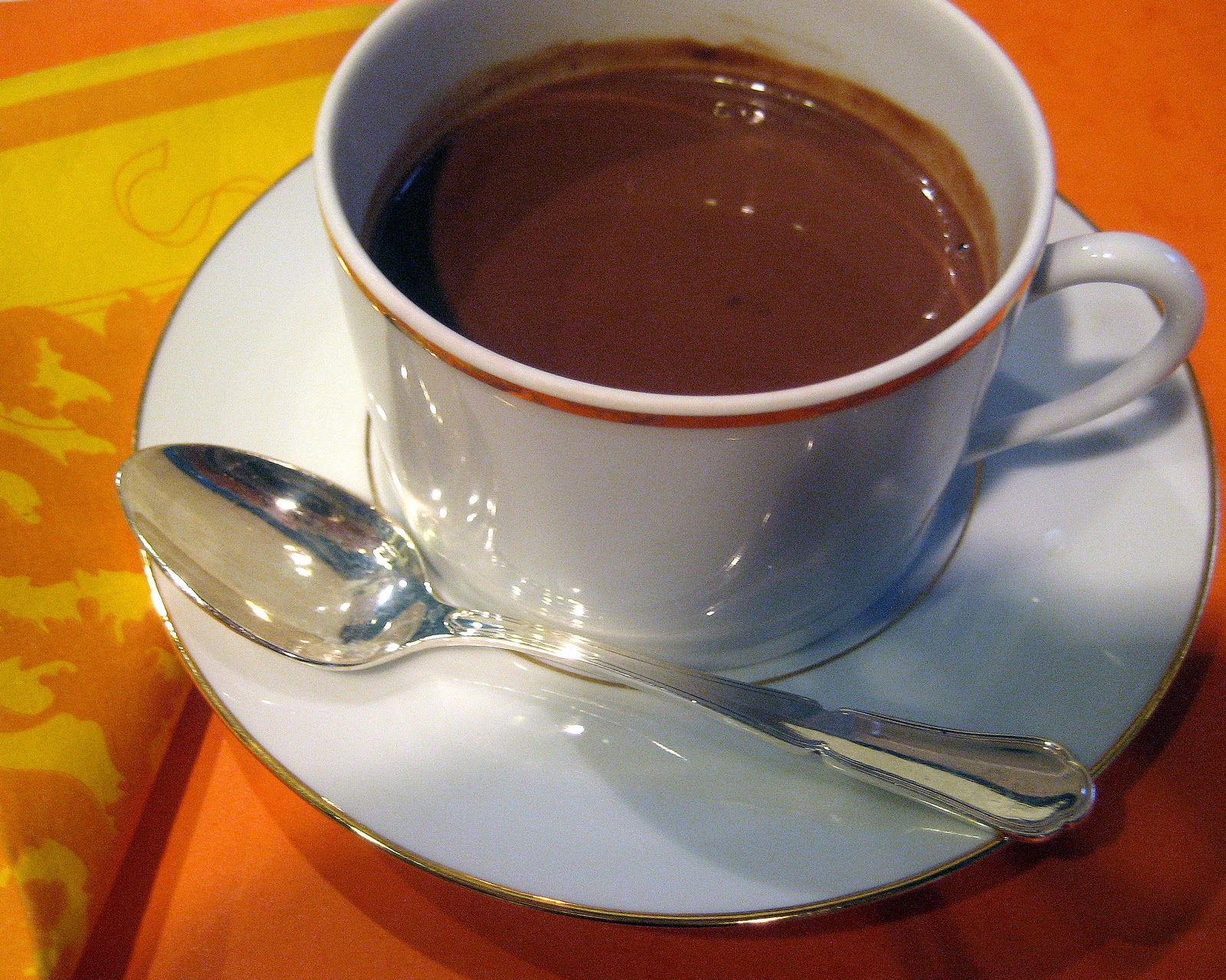
Last weekend, leaving the marché bio loaded down with purchases, I noticed a vendor selling hot chocolate. A born chocoholic, I could never pass such a concession without trying a sample, so I bought a cup to share with my spouse. Within minutes we had downed the rich, thick, dark liquid, which put us in a state of bliss. As soon as I got back to the apartment, I tried duplicating the recipe with good results, so once again we indulged in this ambrosial beverage.

The following evening at our dinner table, a young Amherst alum in Paris for a few days with his girl friend mentioned that he had tried the hot chocolate at Angelina’s, a Right Bank tea room renowned for their cups of this sumptuous brew. I listened enthralled as this strapping hockey player rhapsodized about the French version of one of his family’s favorite hot drinks. When I told him that I knew how Chocolat Chaud à l’Ancienne was made, you would have thought I’d offered him a contract with the Toronto Redwings. “Please send it to me,” he politely begged.
 Here’s my version, a close facsimile of that delectable Parisian original!  
4 ounces dark chocolate, 70% cacao (See note.)
2 cups milk, either whole or 2 %
2 tablespoons unsweetened cocoa powder, preferably Dutch-process style
2 tablespoons sugar plus more if needed
Coarsely chop the chocolate and place it and the milk in a medium, heavy saucepan. Place the pot over low heat. Stir the mixture constantly with a wooden spoon until the chocolate has melted, taking care to scrape any chocolate bits on the bottom of the pan into the liquid. Raise the heat to medium and then gradually, with a whisk, add the cocoa powder and the sugar. Continue to cook, whisking constantly, until the mixture has thickened and reduced to about 2 cups, about 12 minutes. If necessary, lower the heat so that the mixture does not boil.
Taste a spoonful (it will be quite hot so let it cool for a few seconds), and, if desired, add more sugar by 1/2 teaspoon amounts.
Pour the warm chocolate into 2 standard-size coffee cups or mugs or into 4 espresso-size cups.  Serves 2 to 4.
Note: I used Nestlé’s 70 % chocolate. Scharffenberger’s 70% bittersweet bar and Ghiradelli’s  extra bittersweet 70% baking bar are available in many US groceries. Depending on the chocolate you use, you may want to add additional sugar to your hot chocolate as the recipe directions suggest.

Out-of-the-Ordinary Rigatoni with Spicy Tomato Sauce

This recipe is a perennial favorite of students. Back in the 1990s it appeared on a winter cover of Bon Appétit and then later in my book, American Favorites. This dish has plenty going for it—you can make it ahead, it’s and all-in-one main course, and it’s inexpensive.

Continue reading →